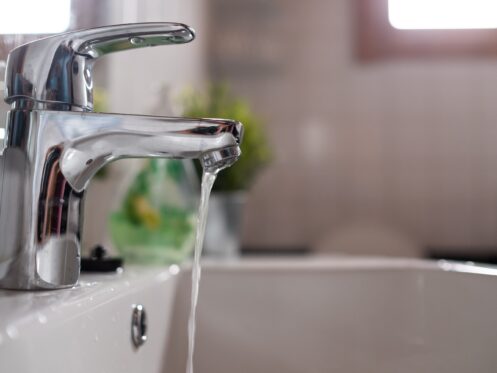
Most water-quality problems are easily solvable with a filtration system. Getting rid of pollutants not only makes the water safer to drink but also less harmful to your plumbing. This does much more than help the pipes and fixtures last longer; it improves the taste and odor of the water for the whole household, too. But which type of filtration system is best? There are several options to choose from. Let’s take a closer look at water-quality problems in Newburgh and how to fix them.
Common Water-Quality Problems in Newburgh, NY
Newburgh deals with quite a few different types of water-quality problems. The location of your neighborhood and current plumbing setup both impact which contaminants are most likely present. People in the West End and the areas around Washington Lake have long worried about PFAS contamination due to the discharge of firefighting foam.
Older sections of Downtown Newburgh and the Heights often have galvanized service lines and lead pipes due to the infrastructure’s old age. The corrosion from aging pipes increases the likelihood of lead seeping into the water supply.
Many homes on the outskirts of Newburgh, especially in rural areas near Gardnertown and Balmville, experience issues with sulfur water from private wells. You might notice a rotten egg smell in addition to stains on sinks and fixtures.
Discoloration, rust and poor water pressure are common complaints among homeowners in New Windsor. Sediment accumulation in local water mains and aging service lines are common causes of these issues. Understanding what you’re dealing with is key to choosing the right filtration method.
Here are the top water-quality problems in Newburgh homes:
- PFAS contamination from firefighting foam
- Lead leaching from old plumbing
- Disinfection byproducts, like HAA5
- Hexavalent chromium in supply
- Rusty water and low pressure
- Lead or galvanized service lines
- Sulfur water causing a rotten egg odor
Water Filtration
Here at Polar Plumbing, Heating & Air Conditioning, we install many types of water-filtration systems. Those that use activated carbon filters do a really good job at removing chlorine, heavy metals and other pollutants. There are also reverse-osmosis styles that focus more on removing dissolved solids and contaminants so you enjoy better-tasting, cleaner water.
Many water treatment systems are whole-home models. Instead of having to deal with pitchers or faucet attachments, the system connects directly to the plumbing, producing clean, filtered water for every faucet and fixture. Whether you’re cooking in the kitchen or bathing in the bathroom, you’ll enjoy consistent, high-quality water.
Filtration for your water is very important for reducing health risks linked to pollutants, like PFAS and lead. Many systems can even help get rid of strange odors and discoloration in your drinking water.
When you hire Polar Plumbing, Heating & Air Conditioning for water filtration, we’ll make sure you have the right setup for your home. We’ll explain all of the different options so you understand how each system works and which one best meets your needs.
Water Softeners
If your home has an issue with hard water, you’ll want to install a water softener. This type of setup isn’t the same as a filtration system, but it is very similar. It will remove excess minerals in the water, like calcium and magnesium. Getting rid of these two chemicals greatly improves your plumbing. You’ll have a much lower risk of limescale buildup and pipe corrosion, which causes clogs and leaks.
Softened water also helps your major appliances, like the dishwasher, water heater and washing machine, last longer. Moreover, it improves their performance, leading to cleaner dishes and less soap residue when doing laundry. For your water heater, the softer water means faster heating and better energy efficiency.
Just like water-filtration systems, there are several types of water softeners to choose from. Some use salt and ion exchange to remove calcium and magnesium, while others take advantage of salt-free media to neutralize hardness without adding sodium. The right option for your home all depends on your water quality and household needs. We’ll go over each option to make sure you fully understand how it works and what benefits it provides.
Sulfur Systems
These systems are great for restoring the original flavor of water and protecting fixtures, like sinks and tubs, from discoloration. Eliminating the smell makes drinking water a pleasure for the whole family.
In addition to enhancing the aroma and flavor, a sulfur system prevents corrosion in plumbing. Appliances, plumbing and fixtures all benefit from this.
Some sulfur water treatment systems remove hydrogen sulfide from water by oxidizing it with air. For houses with modest sulfur levels, this method works well and doesn’t include chemicals.
Other methods use media tanks designed to trap and neutralize sulfur compounds in the water. With regular maintenance, these devices can withstand more intense sulfur problems and provide protection for an extended period of time.
Why You Should Care About Water Quality
It’s easy to see why bad water quality affects the whole home. It hurts the plumbing system by increasing the risk of corrosion, leaks and scale buildup. For your health, it can lead to digestive problems, skin irritation and other long-term health concerns. Prioritizing your water quality today leads to much better outcomes in the future, like longer-lasting plumbing and fewer health problems.
Here are the top reasons to prioritize your home’s water quality:
- Protect children from harmful exposure
- Safeguard pets’ drinking water
- Prevent stains on clean laundry
- Preserve water heater efficiency
- Avoid costly emergency plumbing visits
- Maintain resale value of home
- Support eco-friendly water usage
How Often Do Water-Filtration Systems Need Maintenance?
To keep them properly working, the majority of water-filtration systems need regular maintenance. Every few months, check the filter and replace it if needed, following the manufacturer’s instructions.
Regular maintenance improves water-filtration performance in many ways:
- Prevents clogging and maintains steady flow
- Ensures filters keep removing contaminants
- Extends lifespan of cartridges and membranes
- Reduces risk of odors and discoloration
- Protects plumbing and appliances from strain
You should change your activated carbon filter every 6 to 12 months. That way, they won’t become blocked and stop eliminating chlorine, smells and organic substances.
In most cases, reverse-osmosis systems need extra maintenance, such as replacing the pre- and post-filters once a year. Depending on the water quality and use, the primary RO membrane has a potential lifespan of two to three years.
For whole-home filtration systems, regular annual expert inspections are a good idea. A qualified plumber can check the system’s functionality and make any necessary repairs.
Does My Home Need Water Filtration?
If you’re not sure whether your home could benefit from water filtration, there are certain red flags to watch for. If you notice any of the following, it’s time to schedule a water-quality test:
- Tap water has strange taste
- Persistent chlorine or chemical smell
- Cloudy or discolored faucet water
- Rust stains on sinks and tubs
- Frequent limescale on fixtures
- Dry skin after daily bathing
- Appliances break down too quickly
Are you ready to start enjoying cleaner, healthier water at home? Polar Plumbing, Heating & Air Conditioning is here to answer any questions you may have. We can go over all of our plumbing and water-quality solutions to help you choose the best setup. Contact Polar Plumbing, Heating & Air Conditioning today for premium water-quality service in Newburgh.